We are pleased to republish “Spanish Tile Journey,” a travel column originally written by our company president, Naoyuki Yamauchi, for The Times Housing Newspaper, a local publication covering housing and lifestyle in Okinawa and part of the Okinawa Times Group.
A Scene Straight from a Painting
There is a saying: “If you have only one day in Spain, go to Toledo.”
I couldn’t agree more. Toledo is simply that special.
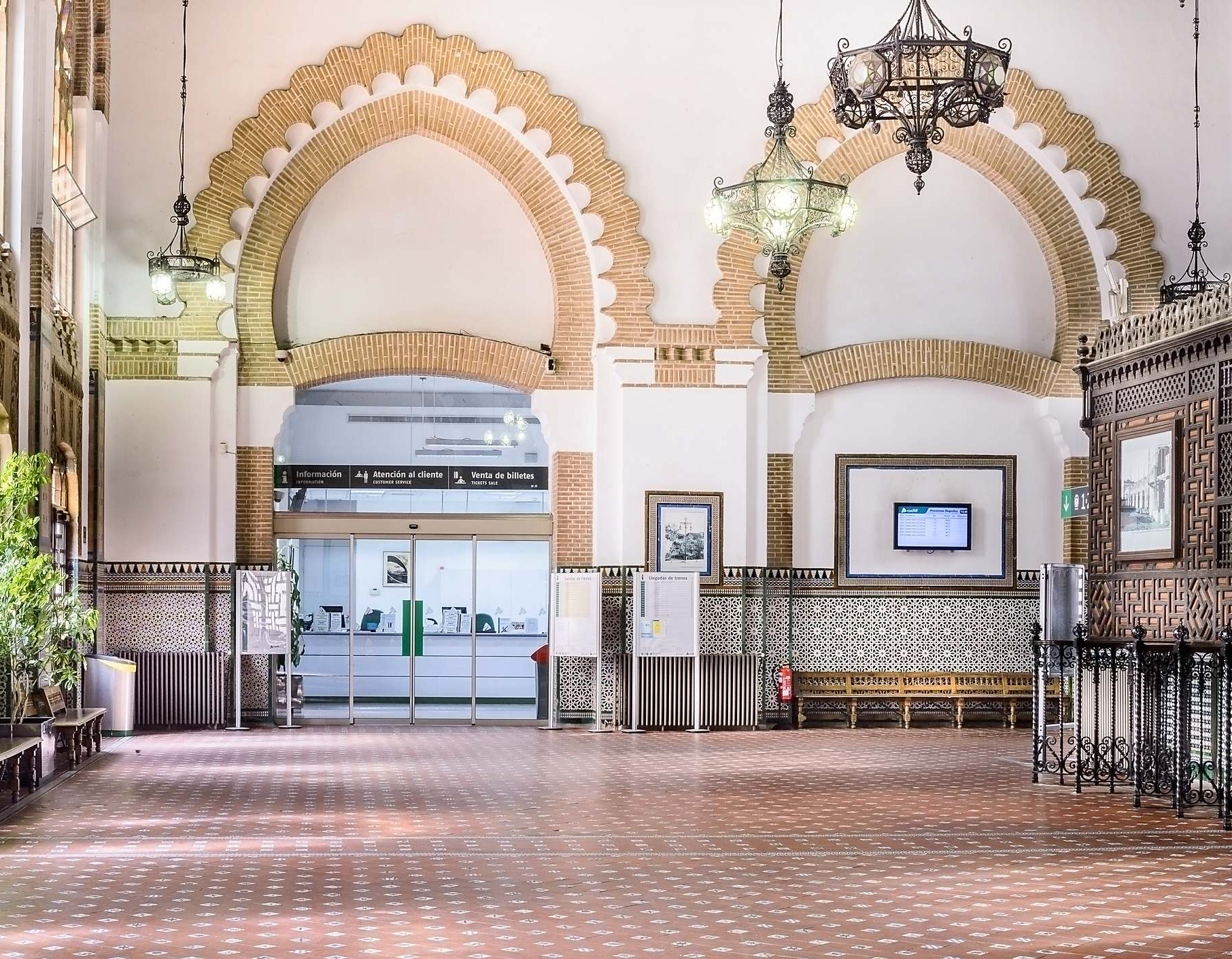
A 30-minute train ride from Madrid’s Atocha Station takes you to Toledo Station, an elegant example of Mudéjar architecture. From the station, you can walk straight along Paseo de la Rosa, cross the Puente de Alcántara, and enter Toledo’s historic center.
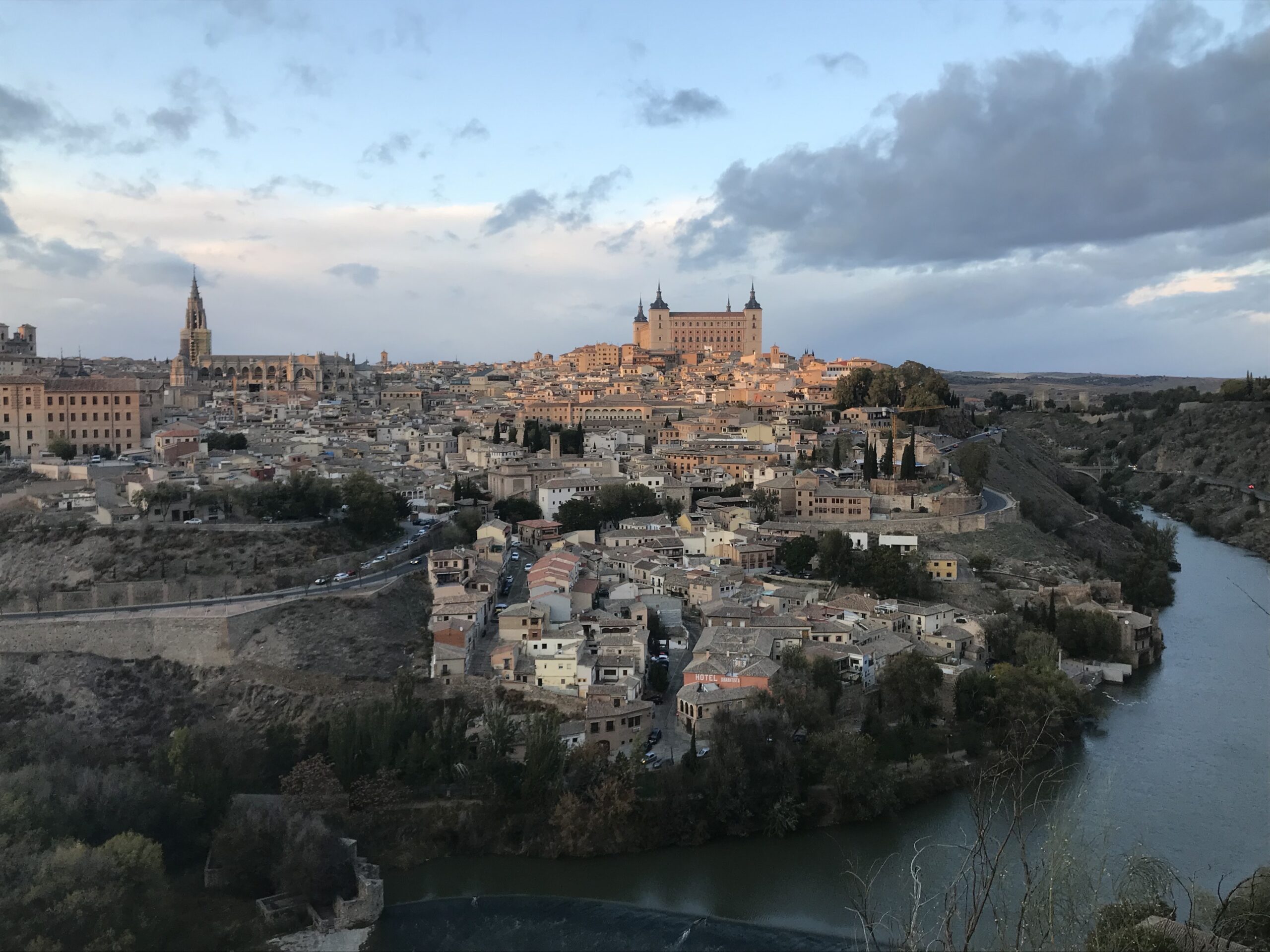
But before heading into the old town, I recommend taking a taxi to a viewpoint on the hill south of the Tagus River. Toledo’s most spectacular panorama cannot be seen from within the city itself.
From the viewpoint, the scene from El Greco’s famous painting View of Toledo unfolds before your eyes. More than 400 years after the painting was created, the landscape still looks remarkably similar.
Ask the taxi driver to wait while you take some photos. It is well worth it.
Surrounded on three sides by the Tagus River and protected by massive walls, Toledo was once the capital of the Kingdom of Castile. Today, it remains a historic city where much of its 16th-century character has been preserved.
For centuries, Christians, Muslims, and Jews lived alongside one another here. Scholars from different religious backgrounds worked together to translate philosophical and other important texts from Arabic and Latin, helping make Toledo a major center of learning in medieval Europe.
The idea of people from different backgrounds living and working together is something we can still learn from today, especially as we witness the war in Ukraine.
Overwhelmed by Toledo Cathedral
“Puente de San Martín, por favor.”
Tell the taxi driver your destination and get out near the San Martín Bridge on the western side of Toledo.
Pass through its horseshoe-shaped arch and walk across the 13th-century bridge, looking down at the Tagus River as it has flowed through the valley for centuries.
Crossing this bridge feels like stepping back in time into a medieval city.
Walk uphill and look for the Church of Santo Tomé, home to El Greco’s masterpiece The Burial of the Count of Orgaz.
One of the great pleasures of traveling through Europe is seeing masterpieces by great artists in person and wandering through historic streets that have remained largely unchanged for centuries.
As you walk these narrow streets, it is easy to imagine medieval residents going about their daily lives here.
Continue uphill and you will eventually reach Toledo Cathedral, one of the most important Catholic cathedrals in Spain. Construction took nearly 270 years to complete.
One of the members of our shipping department, T, is a big guy who usually wears a baseball cap and modern streetwear. He is about as far removed from the image of a churchgoer as you could imagine.
Yet during our Spanish tile study tour, the moment he stepped inside the cathedral and looked up at the magnificent main altar, he was so overwhelmed that he instinctively dropped to one knee and clasped his hands together.
Even though he wasn’t a believer, I couldn’t help thinking, “Really?”
But that’s just how powerful Toledo Cathedral can be. Its grandeur and beauty have the ability to overwhelm anyone who walks through its doors.
In 1584, a group of young Japanese envoys known as the Tenshō Embassy traveled from Japan to Europe during the Sengoku period. Standing before the cathedral’s 30-meter-high main altar, I imagine they must have felt just as small and awestruck.
Toledo’s steep streets can be exhausting, though. When you need a break, try a small crescent-shaped piece of mazapán (marzipan), a traditional sweet made by nuns for centuries as a source of income for their convents.
The rich almond flavor fills your mouth, and its intense sweetness is just what you need to recharge after a long walk through the hills of Toledo.

About the Author
Naoyuki Yamauchi was born in Okinawa City, Okinawa. After studying in the United States, he worked for an American trading company before founding Pantech Corporation, a Spanish tile distributor, in 1995.
He enjoys fishing, music, and collecting jazz records from the 1950s and 1960s.