We are pleased to republish “Spanish Tile Journey,” a travel column originally written by our company president, Naoyuki Yamauchi, for The Times Housing Newspaper, a local publication covering housing and lifestyle in Okinawa and part of the Okinawa Times Group.
A Shady Shop and a Ticket Scalper!?
This was not looking good. Could there really be a ticket office somewhere on this dimly lit backstreet?
This time, I was traveling with friends, so I had arranged our tickets in advance. We wandered around looking for the address listed in the email and eventually arrived at an old restaurant. The lights were off, and there didn’t seem to be any customers inside. From somewhere in the back, we could hear men speaking in low voices.
I glanced at the uneasy expressions on my friends’ faces and cautiously stepped inside to take a look. At a table in the back, four men were in the middle of a card game, with cash in their hands.
I was just about to turn around and leave when a heavyset man noticed me.
“Corrida? Tickets?”
So this was the right place after all. I breathed a sigh of relief.
“Cerveza?” he asked, offering me a beer, but I politely declined.
The bullring was packed. Apparently, a famous bullfighter was performing that day. We made our way through the crowd and finally found the seats printed on our tickets.
Then a young man approached us. In his hands were four rolled-up posters, which he held out to us.
Earlier, we had tried to buy posters at the shop near the entrance, but they were sold out. He must have seen us there. Thinking he was a scalper, I asked how much he wanted for them.
“Present,” he replied.
I immediately felt embarrassed for having doubted him. He had actually searched through the packed crowd just to find us and give us the posters.
He didn’t speak English and seemed rather shy, but he was a kind young man with a warm smile.
“Olé!” for the Matador
The event began with a procession of bullfighters and two horses entering the arena to the sound of trumpets from the band.
A fierce bull weighing around 500 kilograms—more than 1,100 pounds—was released into the ring, and the bullfighters began provoking it with large pink capes.
After several performances, the star of the show finally appeared: the matador.
He wore a jacket embroidered in gold over bright red fabric, paired with close-fitting pants. With the bull behind him, the matador began walking calmly across the arena.
The bull scraped the ground with its front hooves, kicking up clouds of yellow dust. Then its sharp horns came charging toward him from behind.
In an instant, the matador gracefully swept his muleta, the small red cape, aside and narrowly avoided the charging bull.
“Olé!”
The crowd’s cheers echoed beneath Valencia’s brilliant blue sky.
Our seats were in the inexpensive sol section—the sunny side of the arena. And the Spanish sun is intense.
An elderly woman sitting next to us kindly shared her parasol. She kept it half-folded so it wouldn’t block anyone else’s view.
She also gave us a running commentary, explaining everything from the bullfighter’s hometown to the highlights we should watch for that day. She had been coming to this bullring for 50 years and knew bullfighting inside and out.
She told us that her husband had passed away and that she now came alone. Even so, she was cheerful and radiant, almost like the Spanish sun itself.
Pillars of Fire Rising into the Night Sky
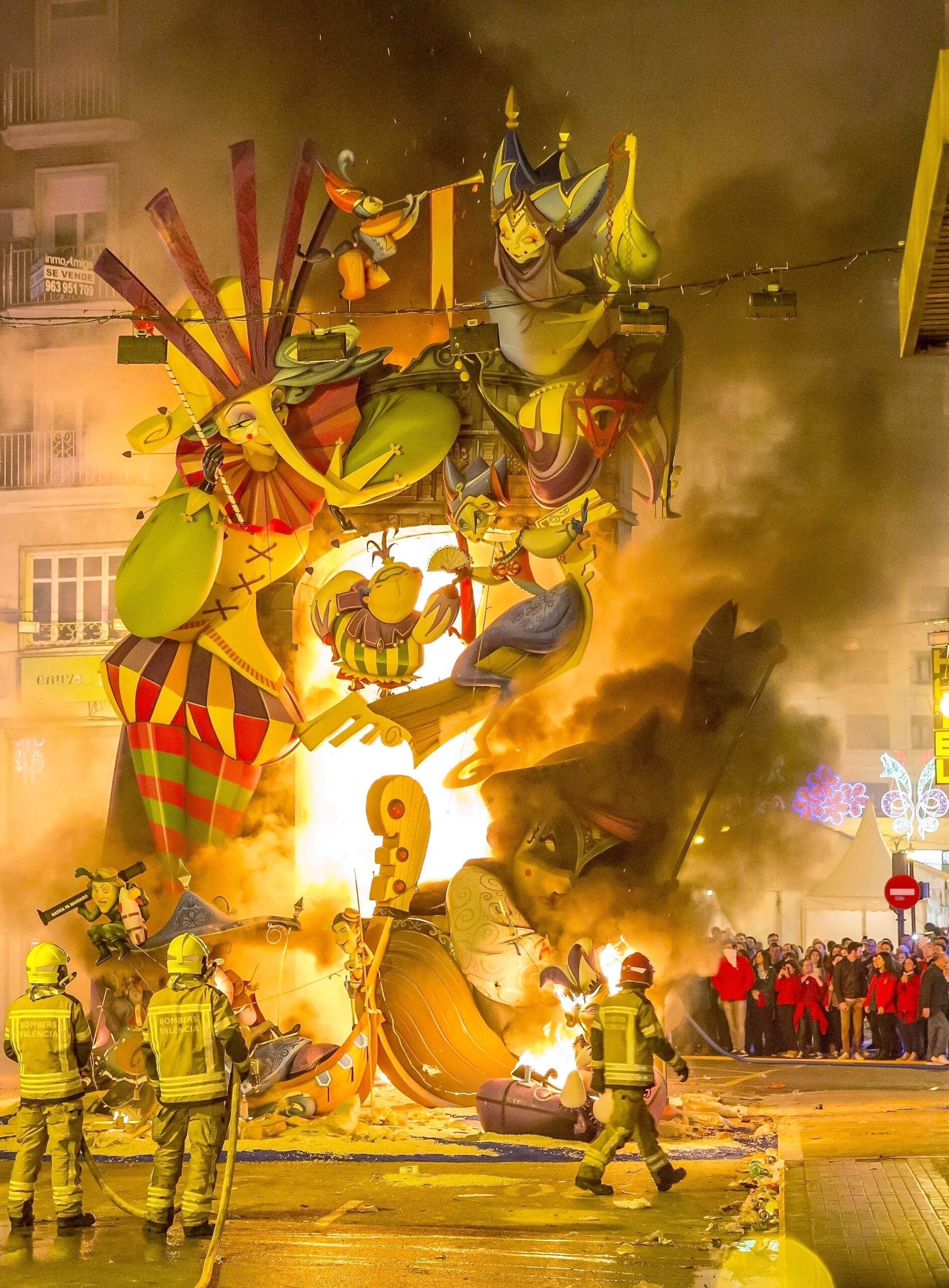
The Spanish love their festivals, and every March, Valencia hosts one of Spain’s most famous celebrations: the Fallas Festival.
Neighborhoods throughout the city compete with one another to create elaborate papier-mâché figures of all shapes and sizes. These enormous works can take an entire year to complete, and around 700 are displayed throughout the city.
The craftsmanship is extraordinary, giving local artists and artisans a chance to showcase their skills.
Then, on the final night, nearly all of the figures are set on fire.
The flames turn Valencia’s night sky red. Some of the figures stand more than 20 meters—over 65 feet—high, and when they ignite, they become enormous columns of fire.
Within moments, these intricate creations are reduced to ashes.
But the burning is not simply an ending. It also represents a new beginning—a symbol of renewal and rebirth.
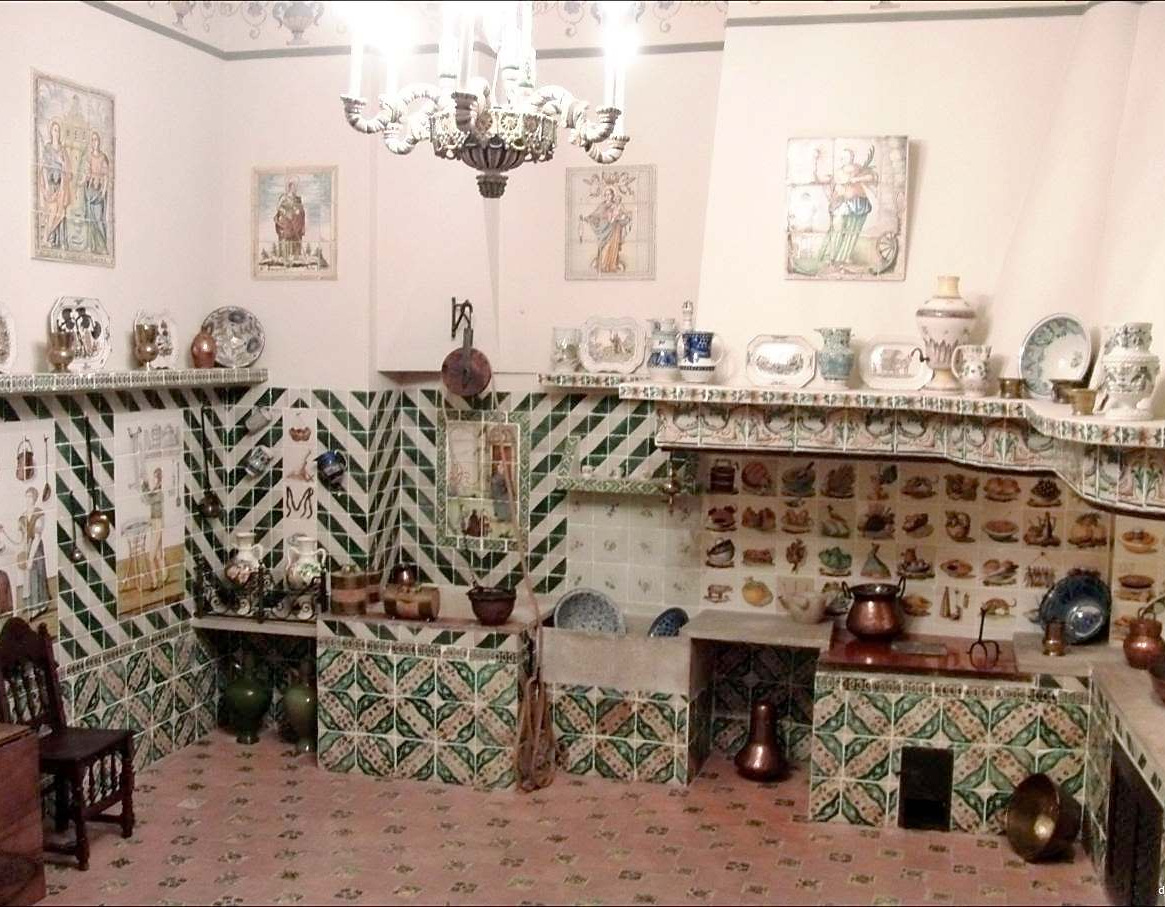
Valencia has also long been known for its ceramics.
The region is home to Lladró, the world-famous maker of porcelain figurines. In Valencia’s historic district, you can visit the González Martí National Museum of Ceramics and Decorative Arts, which is well worth seeing if you have the time.
The town of Manises, famous for its traditional Manises ceramics, is also only about a 15-minute drive away.
For anyone who loves pottery and ceramics, it is definitely worth a visit.

About the Author
Naoyuki Yamauchi was born in Okinawa City, Okinawa. After studying in the United States, he worked for an American trading company before founding Pantech Corporation, a Spanish tile distributor, in 1995.
He enjoys fishing, music, and collecting jazz records from the 1950s and 1960s.