We are pleased to republish “Spanish Tile Journey,” a travel column originally written by our company president, Naoyuki Yamauchi, for The Times Housing Newspaper, a local publication covering housing and lifestyle in Okinawa and part of the Okinawa Times Group.
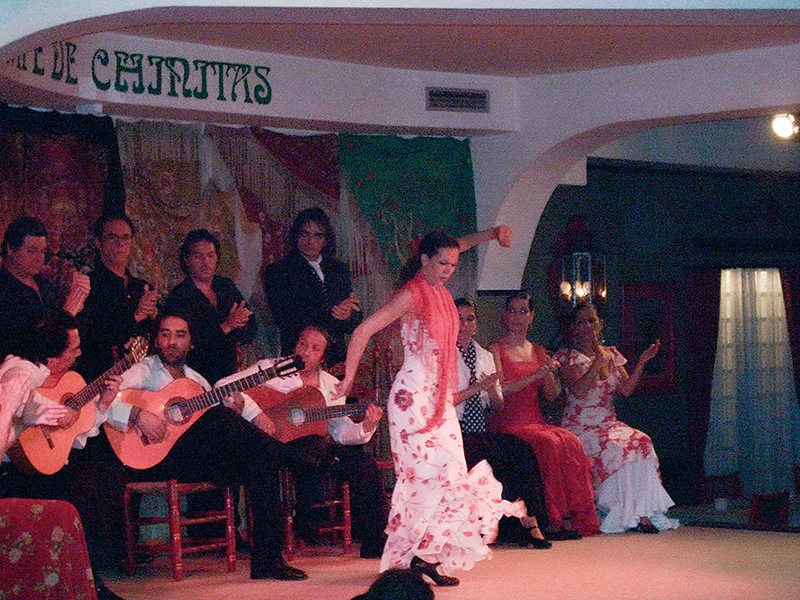
Authentic Flamenco
I couldn’t see the dancer’s feet.
Was it jet lag? I rubbed my heavy eyelids and stared at the stage.
Madrid is home to many tablaos—bars and restaurants where you can enjoy live flamenco performances. Shows usually begin around 9 p.m. and continue until midnight, with several dancers taking the stage. The most experienced performers often come on last.
The dancer’s feet struck the floor in rapid-fire rhythms: da-da-dum, da-da-dum. The sound seemed to echo right through my chest. Her footwork was so fast that my eyes could barely keep up.
Flamenco originated in Andalusia in southern Spain. But Madrid is also a major center for the art, attracting some of Spain’s finest flamenco performers.
The haunting melodies, rhythmic handclaps, expressions of sorrow and anguish, and passionate dancing come together with the sharp sound of the guitar. What began as an expression of the Roma community’s spirit has evolved into a powerful art form.
Madrid is a wonderful place to experience it firsthand.
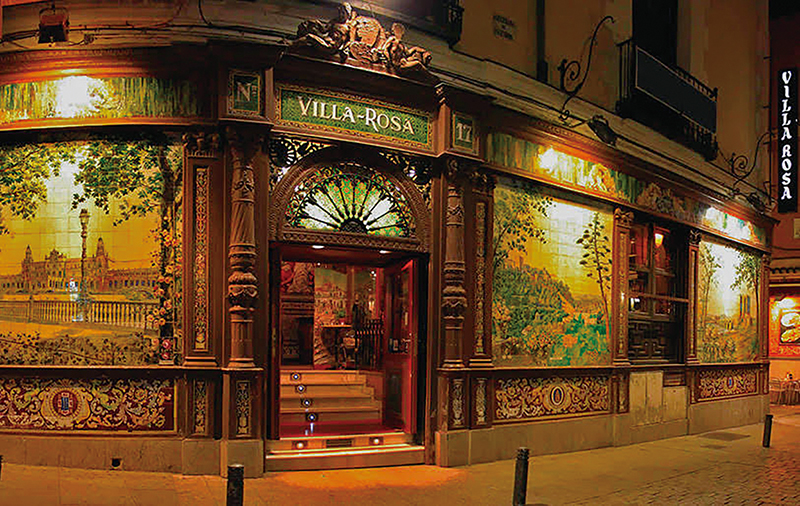
Sadly, one of the city’s historic tablaos, Villa-Rosa, closed in early 2020 due to the COVID-19 pandemic. Its beautiful tiled façade was one of its most distinctive features.
I can only hope that the pandemic ends soon and that these artists will once again have places where they can share their passion and talent with audiences.
Beer and Tapas at Madrid’s Bars
One of the great pleasures of visiting Spain is exploring its barras and bares.
A Spanish bar can be many things at once—a casual place for drinks, a café, or even a spot for breakfast. You can stop by in the morning for coffee and churros dipped in thick hot chocolate, or stay late into the night for drinks and food.
At the counter, you’ll find tapas—small plates of local specialties that are usually affordable and perfect for sharing. Grab a plate, order a glass of wine or a beer, and enjoy a conversation at the bar.
You’ll find bars throughout Madrid, especially around Puerta del Sol and Plaza Mayor. If you enjoy hopping from one bar to another, head to Calle de la Cava Baja, just south of Mercado de San Miguel. The street is lined with dozens of bars where you can sample local favorites such as Spanish omelets and pinchos.
When you walk into a bar, try saying “Hola” to the staff. It simply means “hello.”
Then order a draft beer by saying, “Una caña, por favor.” A cold beer pairs perfectly with jamón serrano, Spain’s traditional cured ham.
Even if you don’t speak Spanish, don’t worry. Just point to the tapas you want to try. You can have one small dish and move on to the next bar, or stay and sample several if you find something you like.
Spanish bars are easy on the wallet and are an important part of everyday life. In Okinawa, we have a similar casual drinking culture with senbero—the idea of enjoying a few drinks and snacks for just a little money. In Spain, the local bar is a place for everyone.
“Japanese?”
A local would sometimes call out to me.
“Yes, Japanese.”
Maybe they noticed me looking around like a tourist. But many people I met seemed genuinely interested in Japan. More than once, a conversation would turn into a friendly exchange—and sometimes even a free beer.
Ichariba chōdē—a traditional Okinawan saying meaning that once people meet, they become like family.
I felt that the Spanish and Okinawan people had something in common: a warm, open attitude toward connecting with others.
That, to me, is one of the greatest joys of traveling.
“Another caña! Another caña!”
I was having a little too much fun, and the beers kept coming.
Madrid’s nights are long.
About the Author
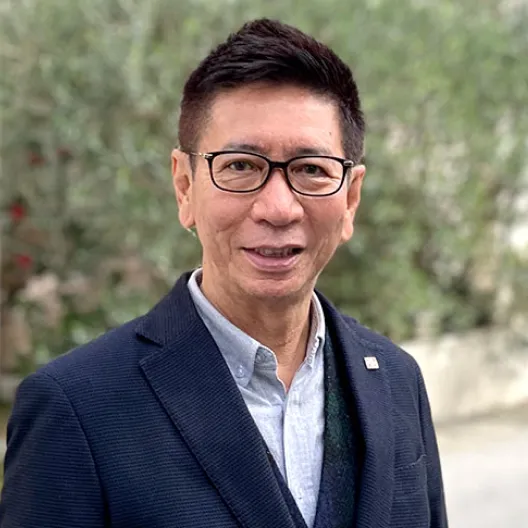
Naoyuki Yamauchi was born in Okinawa City, Okinawa. After studying in the United States, he worked for an American trading company before founding Pantech Corporation, a Spanish tile distributor, in 1995.
He enjoys fishing, music, and collecting jazz records from the 1950s and 1960s.